


Digibarn Collection ➔ GRiD Compass II
Physical Object
2021.11.02.61.db
The Compass by GRiD Systems was a truly innovative system from an innovative company. The DigiBarn has a GRiD Compass II from 1982-83 which is a second version of the original GRiD Compass 1101. This system was kindly provided to use by Ralph Abraham of Santa Cruz, CA (the father of "Chaos Theory"). It is hard to believe that this system is from the same year as the Osborne 1, purported to be the first mass market transportable computer. The Compass II was in fact the computer that defined what was to later called the "laptop" having notable features like:
Catch our Images of the GRiD Compass II here
The Compass series was the first portable computer to be used in orbit, flying first on the Space Shuttle Columbia. In fact, GRiD started a trend for the space program in that on board the International Space Station you will find laptops velcroed and otherwise attached to surfaces all over the station. Laptops have become standard issue tools in human spaceflight and it all started with GRiD.
So what is the reason so few GRiD systems like this made it to market? You an expect a pretty high price tag for a system that packs in so much leading edge technology and design years before it becomes standard issue. The GRiDs sold for $6,000 to $10,000+ in years when boxes like the Osborne 1 and Kaypro were selling in the $1700s. The GRiD Compass and other systems found popularity with senior miliary officers and others with deep pockets and a "perceived need".
GRiD later was able to survive on licensing revenues from some of its many patents filed for the fundamental innovations you see pictured here. GRiD continued to innovate by branching into tablet PC's with pen input (the GRiDPad) and GRiD systems were later marketed by AST (see our AST/GRiD laptop here).
See Also:

The DigiBarn's complete GRiD collection and other GRiD resources
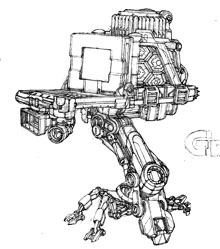
Visit GRiDdroid and other Compubots by Kiel Bryant Hosier
;The Compass II was released in 1984; known a 1121, 1129, 1131 and 1139 models.
1. Built in flat (amber plasma) screen that was bigger than the Osborne 1!
2. Clam-shell case made of durable magnesium components.
3. Very nice yet compact keyboard (the Osborne 1 keyboard is almost bigger than the entire Compass II!).
4. Built-in 384K non-volatile bubble memory acting as a hard drive (and later a real hard drive), power supply and modem (years before this became standard on portable computers).
5. Operating System and BASIC both built into ROM for reliable boot-up (Grid OS or MS-DOS 2.2). No messing about with floppies and you can use the files on the built-in hard drive right away (what a concept)!
6. Verily this is a real portable (even if it lacks a handle)! It won't run on batteries but the Compass II can actually be carried around without fear of developing a painful shoulder!
7. Design! GRiD understood how to make something attractive, even futuristic (as opposed to the various suitcases and beige boxes of that era) and this is borne out by the fact that their systems are featured in certain fine art museum collections.
Catch our Images of the GRiD Compass II here
The Compass series was the first portable computer to be used in orbit, flying first on the Space Shuttle Columbia. In fact, GRiD started a trend for the space program in that on board the International Space Station you will find laptops velcroed and otherwise attached to surfaces all over the station. Laptops have become standard issue tools in human spaceflight and it all started with GRiD.
So what is the reason so few GRiD systems like this made it to market? You an expect a pretty high price tag for a system that packs in so much leading edge technology and design years before it becomes standard issue. The GRiDs sold for $6,000 to $10,000+ in years when boxes like the Osborne 1 and Kaypro were selling in the $1700s. The GRiD Compass and other systems found popularity with senior miliary officers and others with deep pockets and a "perceived need".
GRiD later was able to survive on licensing revenues from some of its many patents filed for the fundamental innovations you see pictured here. GRiD continued to innovate by branching into tablet PC's with pen input (the GRiDPad) and GRiD systems were later marketed by AST (see our AST/GRiD laptop here).
See Also:
The DigiBarn's complete GRiD collection and other GRiD resources
Visit GRiDdroid and other Compubots by Kiel Bryant Hosier
;The Compass II was released in 1984; known a 1121, 1129, 1131 and 1139 models.